Venue Advertising in Limassol: 5 Formats to Choose
If you are promoting a venue in Limassol, the expensive mistake is not choosing too few formats. It is asking one format to do every job at once. This checklist will help you match the goal, the space and the deadline to the right mix of banners, flyers, brochures, floor plans, renderings and radio spots before the brief turns into guesswork.
Most venue owners and marketing managers start with the same practical questions: Do we need a street banner or a flyer first? When is a brochure genuinely useful? Should a floor plan stay internal or become part of the sales pack? What belongs in a radio script, and what absolutely does not survive one listen? Paul Rand put it neatly: Design is the silent ambassador of your brand.
In venue advertising, that ambassador needs to speak clearly at the entrance, on paper, in presentations and on air.
For broader planning context, teams can compare guidance from web.dev guidance before choosing a workflow.
The problem is rarely a lack of ideas. It is usually a lack of sorting. A banner is built for visibility, a brochure is built for explanation, a floor plan is built for orientation, and a radio spot is built for recall. When those jobs are blurred together, the campaign gets heavier without getting clearer. That is why a format checklist matters before production begins, especially when timing is tight and several suppliers may touch the project.
I want to make that sorting step easier. Below you will find a practical format map for venue campaigns in Limassol, Cyprus, guidance on what AMV Network typically delivers for each piece, two mini-scenarios you can borrow from, and a short what to send us first section so your next step feels simpler, not noisier. If you want a broader view of the studio before you continue, you can also visit our Home, review our Services, see the Venue promotion system on the Portfolio page, and read more about the team on our About page.
Terminology first, because clear names save time
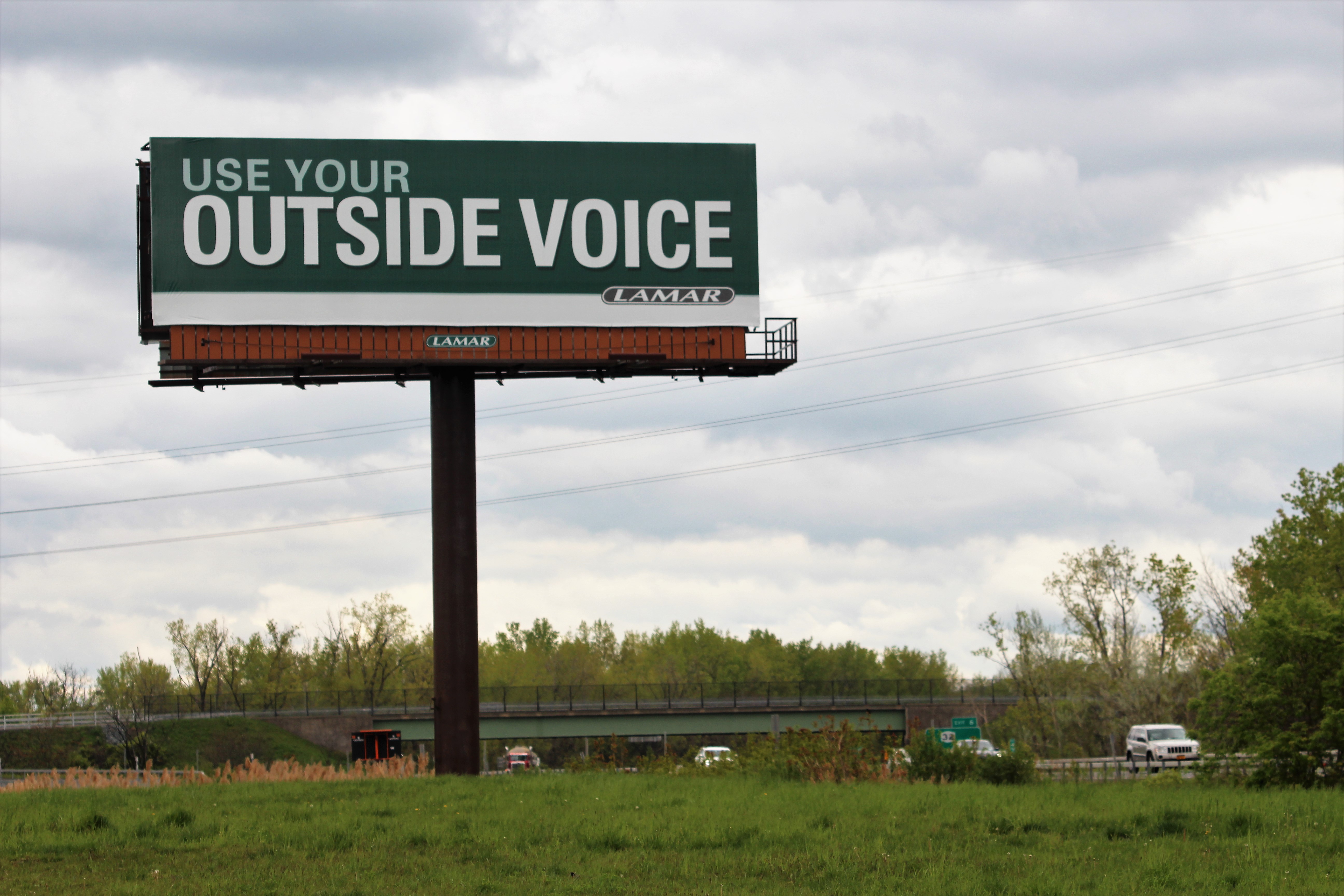
- Banner: a large-format visual used for fast attention at a distance, usually exterior frontage, roadside placement, event entry or in-venue promotion.
- Flyer: a compact printed handout designed for quick distribution and one focused message.
- Brochure: a more detailed printed piece that can explain an offer, venue concept, package or event schedule in a structured way.
- Floor plan: a simplified visual map of the space that shows layout, wayfinding, sponsor zones, seating or circulation.
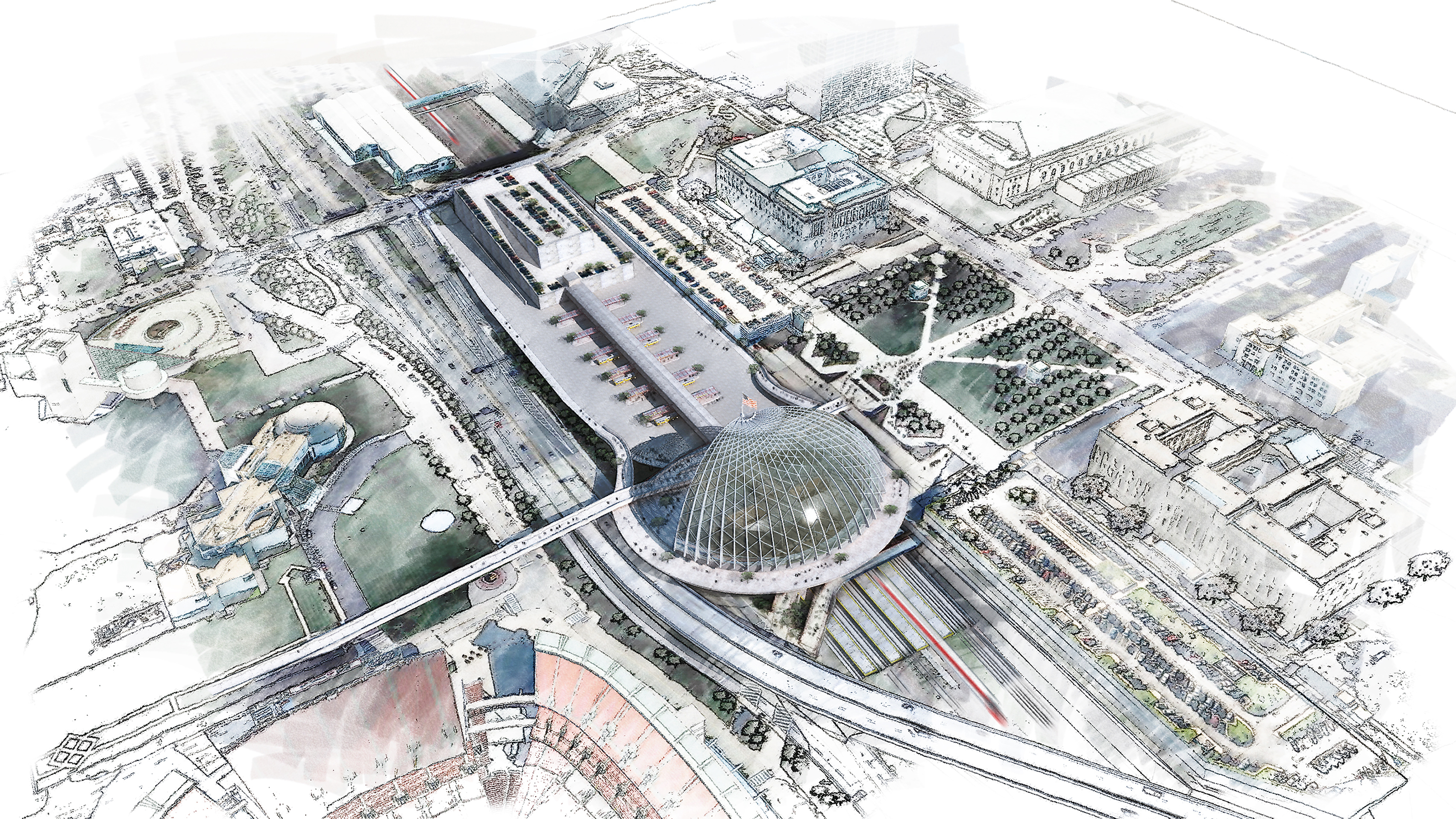
- Rendering: a presentation visual that helps a client, sponsor or partner imagine how the venue or promotional environment should look once installed.
- Radio spot: a short scripted audio promotion built around memory, rhythm and clarity, not visual density.
- Sketch or comic concept: an early-stage idea tool used to test message flow, scene order or campaign mood before full production begins.
The first choice is not the format. It is the campaign goal.
Before you choose deliverables, choose the job. A venue campaign usually leans toward one of these goals:
Related implementation details are also covered in MDN Web Docs, which helps keep tool decisions grounded in established practices.
- Footfall: get more people to notice the venue and come in.
- Opening or relaunch: explain what is new, when it happens and why it matters.
- Recurring event support: keep weekly or monthly promotions consistent without rebuilding the entire system every time.
- Sponsor or partner communication: show the space, the package and the promotional opportunity clearly.
Once the goal is named, the formats become easier to rank. A banner supports footfall. A brochure supports explanation. A floor plan supports coordination and approvals. A radio spot supports memory and reach. A sketch helps everyone agree on the concept before money moves into final artwork.
| Goal | Best lead formats | What AMV Network typically delivers | What to prepare before briefing |
|---|---|---|---|
| Drive walk-ins | Banners, posters, flyers | Headline-led layouts, print-ready sizes, supplier-ready exports, visual hierarchy for distance reading | Placement photos, dimensions, offer, dates, logo files |
| Explain a new opening | Banners, brochure, rendering, radio spot | Launch message system, brochure pages, visual mockups, script outline and VO direction | Opening date, service list, photography, venue plan, key selling points |
| Support a recurring event | Reusable banner template, flyer, short radio spot, sketch concepts | Adaptable layout system, event variations, recurring copy blocks, quick-turn artwork updates | Event cadence, artist or theme names, recurring CTAs, print deadlines |
| Win partner or sponsor approval | Brochure, floor plan, rendering | Presentation visuals, zone callouts, sponsorship placement references, brochure content structure | Venue layout, sponsor tiers, traffic points, package details |
How to choose the right format for the job
1. Choose banners when the audience needs to notice you quickly
Banners work best when the message must travel fast: a venue opening, a one-night promotion, a high-traffic frontage, a sponsor wall, or an event entry point. They are not the place for the whole story. They are the place for the strongest slice of the story.
For banner projects, AMV Network typically delivers headline-led layout options, production dimensions, print-safe file preparation and mockups that show how the design behaves in context. Common banner sizes depend on the location, but venue briefs often include street-facing horizontal formats, entrance stand banners, fence banners and sponsor backdrops. If you already know the frame size, please send it early. If you do not, a photo of the installation area still helps.
What to prepare: exact dimensions if available, a photo of the placement area, one primary offer or message, event dates, mandatory logos, and any text that must stay visible from a distance.
2. Choose flyers and brochures when the audience needs detail after the first glance
Flyers and brochures are often grouped together, but they do slightly different work. A flyer is quick, direct and easy to distribute. A brochure gives you room to explain the venue concept, event schedule, menu highlights, sponsor information or booking options without turning the banner into a crowded notice board.
AMV Network usually delivers brochure covers, inner page structures, content block planning, print-ready exports and copy hierarchy guidance. That can include panels for venue story, event highlights, practical information, pricing, map references or sponsor placements. For flyer work, the deliverable is usually a shorter, simpler structure with one lead message and one clear action.
If you want to see how these formats sit beside other media, our portfolio and our article on turning one venue concept into a full multi-format campaign show how print pieces can stay aligned with audio and spatial visuals without feeling repetitive.
What to prepare: final copy if you have it, or at least the main sections; page count if already decided; any existing photography; logo and brand colors; and a list of the details that must appear in every version.
3. Choose floor plans and renderings when people need orientation, approval or confidence
Some campaigns fail quietly because everyone can imagine the promotion, but nobody can picture the space. Floor plans and renderings solve that gap. They are especially useful for venue openings, sponsor decks, pop-up events, branded zones, seating layouts and wayfinding discussions.
For these briefs, AMV Network typically delivers clean presentation visuals, simplified plan graphics, callouts for key zones, and renderings that help teams review placement before production or installation begins. This is not decorative extras work. It is coordination work. It keeps the venue manager, installer, partner and client looking at the same idea instead of four different guesses.
If you want a quick reference point before briefing, our Renderings and floor-plan presentation visuals job detail shows the kind of approval-focused material that helps teams align on layout, signage and circulation before production begins.
What to prepare: any existing floor plan, measurements, traffic points, sponsor zones, seating needs, signage locations and notes about what the visual is meant to help with: sales, approvals, planning or installation.
4. Choose radio spots when recall matters and one listen has to be enough
A radio spot is useful when the campaign needs an audio layer: opening dates, event reminders, recurring nights or time-limited promotions. It works best when the message is disciplined. A 20- or 30-second spot is not a brochure read aloud. It needs a hook, one or two supporting details and a clean call to action.
AMV Network typically delivers script outlines, refined script versions by runtime, voice-over direction notes and a final approved handoff for production. If the campaign already has banners and flyers, that helps. The visual hierarchy usually tells us what should become the opening line and what should be cut before the script gets crowded.
What to prepare: the venue name, event name, dates, one clear promise, pronunciation notes if relevant, preferred tone, and any mandatory legal or sponsor language that must be accounted for in the runtime.
5. Use sketches or comic-style concepts when the idea still needs a safe testing stage
This is the format people skip when they feel rushed, and it is often the format that protects the rest of the budget. A sketch, storyboard or comic-style concept lets the campaign mood, sequence and message order settle before final production begins. That is useful for themed openings, character-led promotions, entertainment venues and campaigns that need a little narrative rather than a single flat announcement.
Deliverables here usually include rough concept frames, sequence notes, visual references and scene logic that can later feed banner art, brochure spreads or audio scripting. The goal is not polish. The goal is agreement.
What to prepare: tone references, any slogans or campaign themes, rough audience profile, and examples of what should feel elegant, playful, loud or restrained.
Mini-scenario 1: New restaurant opening in Limassol
Let us make this real. Imagine a new restaurant opening in Limassol, Cyprus, with a launch weekend, soft-opening reservations and nearby foot traffic that needs a clear invitation.
Recommended asset mix:
- Exterior banner: a street-facing opening banner, for example a long horizontal frontage banner or an entrance pull-up depending on the site.
- Opening flyer: a compact handout for nearby offices, hotels or partner desks.
- Brochure or folded menu-intro piece: short venue story, cuisine highlights, opening hours, reservation details and signature offers.
- Floor plan or simple rendering: useful for event hosts, investors or partner reviews if the restaurant includes zones, terrace seating or branded launch areas.
- Short radio spot: a 20- or 30-second reminder for launch weekend if local radio fits the media plan.
- Sketch concept: a quick mood or comic-style frame if the launch theme has a distinct personality.
Typical AMV Network deliverables for this scenario:
- Banner layout options with recommended headline scale and supplier-ready export
- Flyer front and back structure with offer, opening date, map cue and reservation prompt
- Brochure content blocks such as concept story, menu focus, venue atmosphere, practical details and contact information
- Floor-plan callouts showing entry, terrace, host point, seating zones or branded launch corner
- Radio script outline built around venue name, opening date, one hook and one action
- Sketch frames that test tone before final visuals are expanded
Mini-scenario 2: Weekly live event at an established venue
Now imagine a venue that already exists but needs to promote a recurring weekly live event. The challenge is different. The venue does not need to explain itself from scratch every week. It needs a reliable system that can be updated without drama.
Recommended asset mix:
- Reusable banner system: one main event identity that can swap dates or performers.
- Flyer template: fast-turn printed or digital handout with event name, day, guest act and booking prompt.
- Short brochure insert or table card: useful if the venue wants a compact on-site explanation of the weekly program.
- Simple floor plan visual: helpful when the event changes table layout, stage position or sponsor branding.
- Radio spot: a concise recurring script with a flexible line for this week’s theme or performer.
- Sketch or storyboard concept: useful at the start of the campaign to define the recurring visual language.
Typical AMV Network deliverables for this scenario:
- Master layout files for repeated weekly updates
- Flyer and poster versions with flexible date and act blocks
- Compact brochure or insert panels for venue program, booking notes and sponsor mentions
- Plan visuals showing stage, audience flow or reserved branding zones
- Radio script framework with opening line, weekly variable line and closing CTA
- Visual concept references that keep the recurring event recognizable over time
What to send us first
You do not need a perfect brief. You do need a usable one. Before you reach out, send as many of these as you can:
- The goal: footfall, opening, event promotion, sponsor presentation or mixed campaign.
- The venue basics: venue name, location, audience, dates and whether the campaign is one-off or recurring.
- The format list: banner, flyer, brochure, floor plan, rendering, radio spot, sketch concept or any combination.
- Known dimensions and runtimes: banner sizes, brochure page count, plan size, radio length.
- Placement context: photos of the facade, entrance, interior zones or distribution points.
- Content and brand materials: logo files, approved copy, photography, color references, sponsor rules, floor plans or previous materials.
- The next step you need most: concept direction, production-ready files, approval visuals or a full multi-format rollout.
If your venue campaign also needs a lightweight registration, booking or internal tracking layer, mention that separately. We keep the advertising scope clear first, then help you compare the right digital route, whether that means a microsite, a custom build partner, or a fast web app generator for the supporting product layer. That extra step should support the campaign, not distract from it.
A practical way to make the final decision
- List the goal in one sentence.
- Rank the audience needs in order: notice, understand, navigate, remember.
- Choose the lead format for the first need, then add support formats only if they solve a different job.
- Gather dimensions, dates, copy and placement photos before the first design round.
- Send the brief through our Contact page so we can scope the most practical mix.
If you are still choosing between too many options, start smaller. A clear banner plus a useful flyer often does more than six under-briefed assets. When the project needs more detail, a brochure, rendering or radio layer can be added in the right order. The point is not to produce more files. It is to produce the right files for the moment the audience is actually in.
Conclusion
Venue advertising works best when each format has one clear job. Banners attract attention. Flyers and brochures explain. Floor plans and renderings organize the space. Radio spots reinforce memory. Sketches protect the idea before it becomes expensive. When those roles are clear, the campaign feels calmer for everyone involved, from the venue team to the printer to the person hearing the promotion on the way home.
If you are planning a venue campaign in Limassol and want help choosing the right mix, send the details you already have and we will start with the most useful next step. That is often the difference between a smooth rollout and a folder full of almost-right files.