How to Choose the Right Voice-Over Talent for Your Radio Ads
Radio commercials don’t win because they’re loud. They win because the voice carries the brand-message, tone, pace, and trust-through a single unseen moment.
When you search for voice-over talent, you’re really asking:
“Will this voice sound like my brand?”
“How do I audition talent without wasting weeks?”
“What do I tell the studio so the final recording matches the spot?”
“What mistakes quietly ruin broadcast-ready ads?”
Voice matters because radio is pure audio: listeners can’t “scan” visuals; they decide within seconds whether the message feels credible and relevant. The BBC Learning frames voice as a core part of communication, influencing how audiences perceive meaning and authority. For production-side guidance, IAAC (International Association of Audio Communications) discusses standards and best practices around audio production and delivery for broadcast contexts.
In this guide, you’ll learn how to choose voice-over talent for radio ads using a simple audition workflow, a brand-to-performance matching checklist, and practical do/don’t examples you can use immediately with your studio.
Table of contents
- Understanding the importance of voice in radio ads
- Tips for auditioning voice-over talent
- How to match voice with brand identity
- Examples of successful voice-over choices
- Common mistakes to avoid
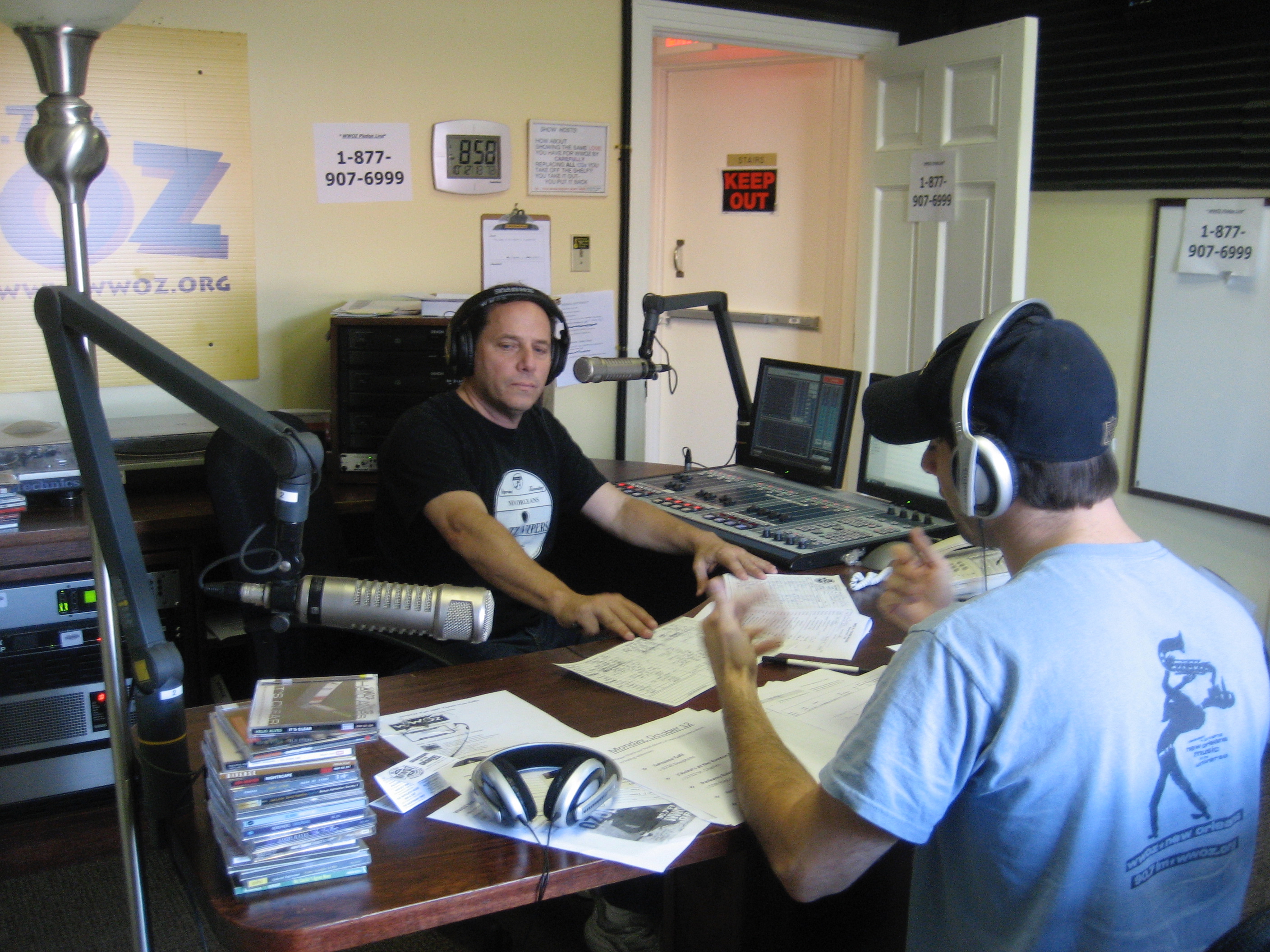
Understanding the importance of voice in radio ads
On radio, the voice is the “design system.” It’s doing at least five jobs at once:
- Brand identity: warm vs. sharp, friendly vs. authoritative, premium vs. everyday.
- Message clarity: pronunciation, pacing, and how easily the listener can follow the offer.
- Trust signals: confidence without sounding scripted or fake.
- Emotional temperature: urgency, calm reassurance, excitement, or credibility.
- Production compatibility: how the voice sits in the mix (dialogue frequency range, dynamics, breath control).
That’s why “any radio voice” is usually the wrong target. The goal is a specific performance that matches how your brand wants to sound-then a delivery that meets typical broadcast expectations.
Tips for auditioning voice-over talent
Auditioning shouldn’t feel like roulette. Run it like a mini production pipeline with clear acceptance criteria.
1) Audition with the exact script (or a near-final version)
If you audition to random reads, you’ll get random results. Provide the same copy, the same offer wording, and the same timing requirements the studio will record.
2) Give a performance direction, not just a vibe
Instead of “energetic and friendly,” specify:
- Energy curve: steady → build at the CTA, or immediate momentum
- Attitude: helpful guide vs. persuasive closer
- Intensity: “confident but not shouty”
- Clarity rules: stress words like the brand name, product type, key benefit, and price/offer details
3) Ask for two takes per audition: “original” and “brand-tight”
Two takes lets you compare:
- Take A: natural read (what talent does by default)
- Take B: read after direction (closer to your brand target)
If Take B doesn’t exist or improves nothing, you’re learning something-use that data.
4) Test intelligibility before you test style
A beautiful voice that’s hard to understand is a failure in radio terms. During audition reviews, check:
- Word endings (are they swallowed?)
- Numbers and proper nouns (are they misread?)
- Speed (does the listener have time to process the offer?)
5) Keep feedback structured so revisions are fast
Use a rubric you can repeat:
| Dimension | What to score (1-5) | Example feedback |
|---|---|---|
| Brand fit | Matches tone + attitude | “Too formal-needs warmer, conversational trust.” |
| Clarity | Easy to understand on first listen | “Number formatting and proper noun stress need work.” |
| Pacing | Hits timing and CTA emphasis | “Slow down the middle; punch the CTA at the end.” |
| Delivery consistency | Works across variations and versions | “Second take drifted-keep the same cadence.” |
How to match voice with brand identity
Matching voice to brand is less about demographics and more about performance psychology. Here’s a practical way to do it.
Step 1: Define your brand “audio adjectives”
Pick 3-5 words your brand wants to feel like:
- Warm / reassuring / neighborly
- Confident / authoritative / precise
- Energetic / playful / upbeat
- Premium / refined / minimal
- Bold / direct / no-nonsense
Then decide what you don’t want (e.g., “not overly dramatic,” “no over-smile,” “avoid slang.”)
Step 2: Map the adjectives to vocal mechanics
Adjectives need translation into measurable delivery traits:
- Warmth: softer consonants, smoother phrasing, gentle emphasis
- Authority: controlled pace, clean stress on key facts, stable volume
- Energy: faster onset, clear CTA emphasis, livelier intonation
- Premium: restrained volume shifts, slower sentence rhythm, fewer filler-like pauses
- Bold: direct phrasing, tight cadence, confident endings
Step 3: Build a pronunciation + rhythm checklist
Most radio revisions happen for boring reasons: names, streets, product terms, or numbers. Before recording, supply:
- Correct pronunciation (phonetic spelling)
- Stress notes (which syllable should hit)
- Number read format (e.g., “one oh one” vs. “one hundred one”)
- Rhythm markers (short pause before CTA, longer pause after benefit)
Step 4: Confirm the voice survives the mix
Once talent is chosen, the studio should place the voice correctly against music/bed and sound effects. Ask for (or verify) that:
- Speech is foregrounded (not buried by music)
- Breaths aren’t distracting
- Dynamics don’t jump between sentences
- Overall loudness is appropriate for broadcast-style playback
If you’re building multiple versions (different cities, offers, or durations), keep the voice direction consistent so the brand remains recognizable.
Examples of successful voice-over choices
Here are two common patterns studios use to align voice with brand. Treat them as templates for your own auditions.
Example 1: Local service brand → “helpful guide” voice
When it works: HVAC, plumbing, repairs, consultations, and any brand where trust and competence beat hype.
How it sounds: calm authority, minimal drama, clean delivery of key details (service area, appointment, what’s included).
Audition test: have talent read the CTA in two ways-soft invitation vs. decisive close. Choose the one that matches your brand’s trust style.
Source for production context: BBC Sounds is a useful reference point for how speech often sits in mixed audio environments.
Example 2: Retail promotion → “energetic but controlled” voice
When it works: seasonal sales, limited-time offers, and ads needing quick attention without sounding cheap.
How it sounds: upbeat intonation, strong cadence, crisp pronunciation of the promo details, and emphasis on time/urgency words.
Audition test: request a version that starts energetic and a version that starts slightly slower but lands harder on the CTA.
Source for clarity/communication emphasis: The Cambridge Dictionary can help check pronunciations of specific product terms and commonly misread words.
Common mistakes to avoid
- Choosing by “pretty voice” only: If the listener can’t parse the offer quickly, the ad fails.
- No performance direction: Talent needs constraints-pace, emphasis, and attitude.
- Auditioning with different scripts: A good take in isolation won’t necessarily survive your exact wording.
- Ignoring pronunciation + numbers: Misread names and offer details create mistrust and wasted revisions.
- Letting energy drift: Talent can sound amazing, then go generic after the first sentence-use structured feedback.
- Forgetting mix checks: Even a perfect voice can become unintelligible if the music bed overpowers it.
Conclusion: a repeatable voice-selection workflow
Choosing the right voice-over talent for radio ads is a system:
- Audit intelligibility first with your exact script.
- Translate brand adjectives into vocal mechanics and direction notes.
- Use structured feedback to speed revisions and reduce ambiguity.
- Verify the voice in the mix so it stays readable on-air.
If you’d like a starting point for planning your next campaign, explore services and browse portfolio for examples of how different ad formats are approached.
Want fewer back-and-forth rounds? Prepare your script, pronunciation notes, and timing targets-then auditions become a comparison, not a gamble.