Radio Commercial Production: A Practical Script-to-Spot Workflow (Cyprus-Friendly)
A strong radio ad usually sounds effortless on air, but the useful work happens earlier: in the brief, in the script, in the voice direction, and in the decisions that stop a 30-second spot from trying to carry a 3-minute message.
Most local businesses ask variations of the same sensible questions. What does the studio need before production starts? How long should the script be for a 20-second or 30-second slot? What kind of voice fits the offer? How do you review a radio spot without turning each revision into a full restart? David Ogilvy’s old line still travels well here: “If it doesn’t sell, it isn’t creative.” Radio has room for style, but the offer still needs to land.
For broader planning context, teams can compare guidance from web.dev guidance before choosing a workflow.
That is especially true when the campaign sits inside a larger local push. The radio script has to match the promotion on the flyer, the offer on the landing page, and the contact path the customer will actually use after hearing the ad. If those pieces drift apart, the spot may sound polished while still making the business harder to find. Context matters more than polish alone.
This guide walks through a practical script-to-spot workflow for Cyprus-friendly radio production: what a good brief looks like, how scripts are shaped, how voice direction and recording sessions work, what the client should review, and what should be delivered before broadcast. If you already know you need production support, the relevant service path is on our Services page, and the fastest way to move a live brief forward is through Contact.
Terminology: the practical terms worth agreeing on first
Radio production becomes much calmer when everyone means the same thing by the same word. A few definitions remove a surprising amount of friction.
Related implementation details are also covered in MDN Web Docs, which helps keep tool decisions grounded in established practices.
- Brief: the working summary of the campaign goal, target audience, offer, call-to-action, timing, and constraints.
- Spot length: the booked duration on air, usually 10, 20, 30, 45, or 60 seconds. The script must fit the booked slot without rushing.
- VO: voice-over, meaning the spoken performance used in the ad.
- CTA: call-to-action, the one next step you want the listener to take after hearing the spot.
- Music bed: background music under the voice, used to support tone and pacing rather than compete with the message.
- Mix: the balancing of voice, music, and effects so the ad translates clearly on broadcast systems and everyday listening devices.
The useful takeaway: if the brief is vague, the script becomes crowded; if the script is crowded, the performance becomes rushed; if the performance is rushed, revisions multiply. The workflow is linked from the first decision onward.
What a good radio brief sounds like
A studio can move quickly when the brief is practical rather than decorative. “We want something exciting” is a mood. It is not yet a brief. A useful radio brief explains what the ad is trying to do, who it is trying to reach, what the listener should remember, and what action should follow.
| Brief element | Why it matters | What to provide |
|---|---|---|
| Goal | Keeps the script focused on one business outcome. | Launch a promotion, increase bookings, announce an event, support awareness, or drive calls. |
| Audience | Shapes language, speed, and tone. | Families, commuters, hospitality guests, local shoppers, venue visitors, or a niche local segment. |
| Offer | Gives the listener a reason to act now. | Discount, event date, limited package, seasonal menu, new location, or service launch. |
| CTA | Prevents the ad from ending in general awareness fog. | Call now, visit the store, book online, ask for a code, or visit a simple landing page. |
| Timing | Controls script length and production urgency. | Spot duration, campaign dates, deadlines for approval, and first broadcast date. |
If the brief includes only the business name and a list of selling points, the studio still has to decide what matters most. That can work, but it slows the process because strategy is being improvised at script stage. A better handoff is short and specific: the offer, the audience, the one thing the listener should do, and any words that absolutely must or must not appear.
For local campaigns, pronunciation notes belong in the brief too. This matters for brand names, Greek place names written in English, phone-number grouping, and whether the listener is more likely to respond to “visit us in Limassol” than to a longer formal address. Good briefs do not try to say everything. They decide what deserves airtime.
Script essentials: length, pacing, tone, and claims
Radio scripts are written for the ear, not the page. A script that reads elegantly in an email can still fail once a real voice tries to deliver it inside a strict runtime. The job is not to fit every fact into the slot. The job is to make one message memorable enough to survive everyday listening conditions: traffic, shop noise, a half-heard breakfast show, a distracted commute.
Length targets that keep the performance natural
- 10 seconds: usually one concise message, one business name, one CTA.
- 20 seconds: enough room for the offer, one benefit, and a short CTA.
- 30 seconds: the most flexible format for local businesses; it usually carries the offer, supporting detail, and CTA without sounding rushed.
- 45 to 60 seconds: useful for more layered messages, but only if the audience has a reason to stay with the copy.
Exact word counts depend on the voice style and the density of the copy. An energetic retail read moves differently from a calm hospitality message. The safer workflow is to draft slightly short, record cleanly, and use pacing with intent rather than trying to outrun the clock.
Tone should match the offer, not just the brand wish list
A business may ask for “high energy,” but the spot still needs to suit the actual message. A weekend sale, a family venue, a medical-adjacent service, and a premium restaurant opening do not want the same vocal temperature. Warm, urgent, conversational, authoritative, or playful are all workable directions, but they have to be tied back to the listener’s likely mood and the action you want from them.
One practical way to brief tone is to compare it with the customer moment. Are they deciding quickly while driving? Are they hearing the ad during a relaxed afternoon show? Are they being invited to trust a service, or to notice a short-term promotion? Useful scripts are situational. They sound as if they belong to the moment in which they will be heard.
Legal and claims considerations should be decided before the mic goes live
Studios are not legal departments, but radio copy should still be checked for avoidable claim problems. If the script references pricing, limited-time availability, competitions, health-related claims, financing, or “best” style superlatives, confirm what can be stated clearly and what needs qualification. When in doubt, keep the copy conservative and specific. A simple accurate offer generally performs better than a flashy line that triggers last-minute hesitation.
This is also the moment to check whether the radio message matches the destination the listener will reach next. If the ad sends people to a quote form, campaign page, or booking path, the wording should line up with that destination. For teams sketching the response flow before development, a lightweight web app generator can help prototype a simple contact or booking path. The useful rule is straightforward: do not promise one thing on air and another on the landing page.
Choosing the voice: style, accent, and pronunciation notes
Voice selection is partly creative, but it is mostly strategic. The listener forms a judgment quickly. Before they remember the whole sentence, they have already registered confidence, warmth, urgency, polish, or strain. That makes voice casting one of the most consequential early decisions in the workflow.
| Voice style | Best fit | Watch out for |
|---|---|---|
| Warm and conversational | Hospitality, local services, family-focused offers, community events. | Can become too soft if the CTA needs urgency. |
| Energetic and upbeat | Retail promotions, event pushes, short campaign bursts. | Can sound shouty if the script is already dense. |
| Authoritative and clear | Professional services, announcements, explainers, premium offers. | Can feel distant if the audience expects friendliness. |
| Relaxed and polished | Property, tourism, restaurants, lifestyle brands, venue launches. | Needs disciplined pacing so it does not drift past the slot. |
In Cyprus-friendly production, pronunciation notes are not a side note. They should cover business names, surnames, road names, local area references, Greek transliterations, and how phone numbers are grouped for natural reading. If the ad includes both English and Greek naming conventions, note the preferred pronunciation in plain phonetic language inside the script. That saves time during takes and reduces the risk of approving a technically polished but locally awkward read.
Accent decisions should also be deliberate. Sometimes a neutral international English voice gives the offer clarity. Sometimes a more regionally familiar feel gives the message warmth. Neither is automatically correct. The brief should say which outcome matters more: broad accessibility, local familiarity, premium polish, or promotional energy.
Production workflow: from recording setup to take selection
Once the script is approved, the production session should be structured enough to move quickly but flexible enough to capture options. This is where preparation pays off. Good sessions sound spontaneous because the decisions around them were not.
Recording session setup
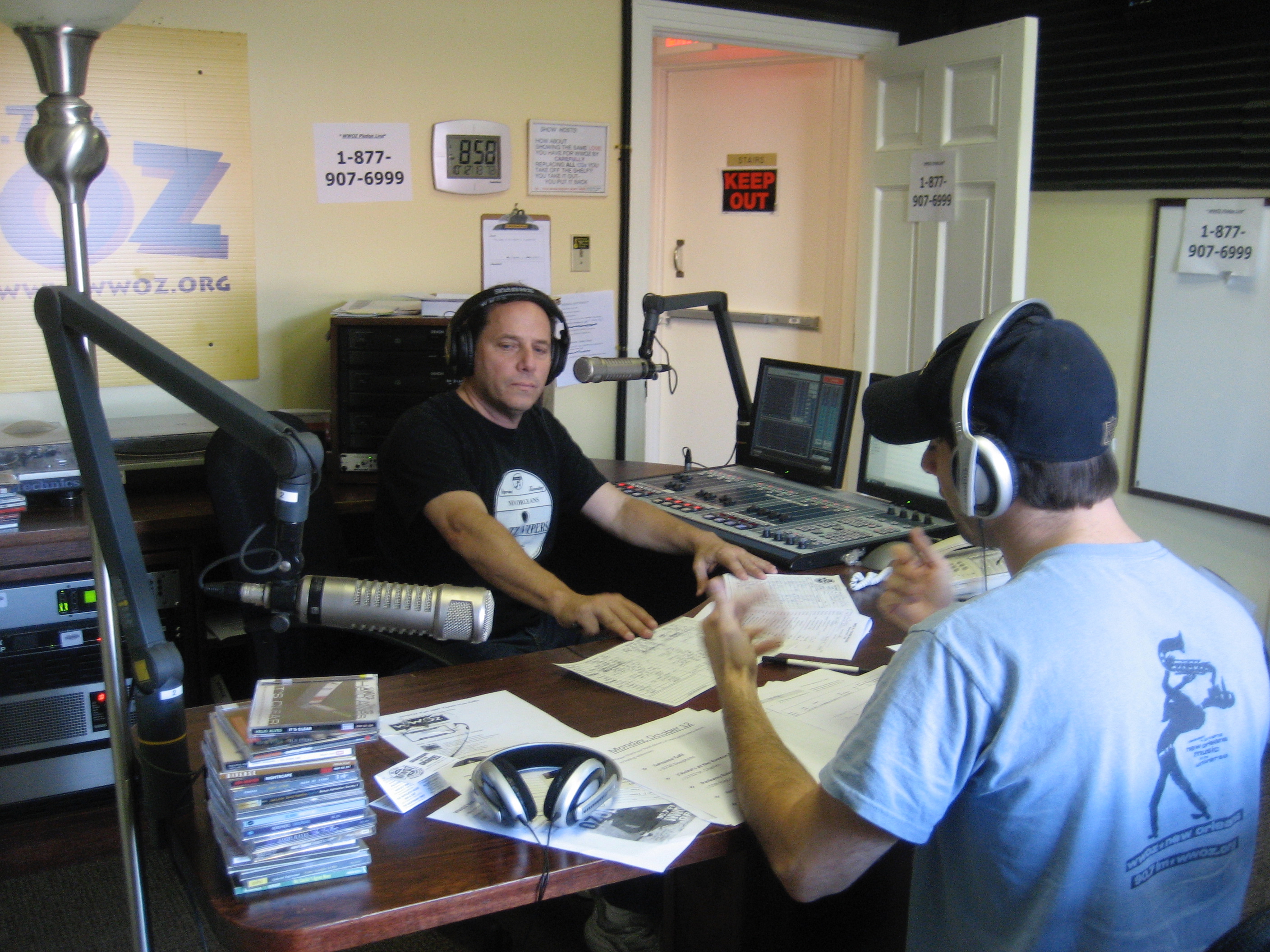
The technical setup does not need theatre. It needs consistency. A clean microphone chain, stable levels, pop control, closed-back headphones, and a quiet room are the baseline. The script should be printed or displayed clearly, with pronunciation notes and pause marks visible. If multiple versions are being recorded, label them before the first take starts rather than after the files begin piling up.
A typical studio session for a local business spot will include:
- one approved master script,
- optional shorter cutdown versions,
- performance notes for emphasis and pacing,
- pronunciation notes for names and locations,
- a decision on whether music or effects are already planned.
Direction during the read
Direction should be specific enough to change the performance. “Make it better” is not direction. “Slow the offer line, smile slightly into the opening, and land the CTA more firmly” is direction. The voice talent should know where the stress belongs, where a pause helps comprehension, and whether the brand wants a read that feels like a recommendation, an announcement, or a promotional push.
It helps to capture at least three useful performance angles rather than dozens of near-identical reads. One more natural take, one more energetic take, and one safety take with very clear diction often gives the editor enough room to work without creating an overgrown session folder.
Take selection
When choosing takes, select for message clarity first. A beautiful line reading that obscures the phone number or compresses the offer into a blur is not the winning take. Listen for the points where the listener has to understand without effort: the brand name, the offer, the date, the CTA, and any location note. If those points land cleanly, stylistic choices become easier.
Clients often assume the “best” take is the most dramatic one. In practice, the winning read is often the one that sounds controlled, believable, and easy to follow on first listen. Radio has little patience for vanity. The message has to survive the first pass.
Editing and sound design basics
Editing is where the recorded performance becomes a broadcast-ready spot. The goal is not to decorate the ad until it feels expensive. The goal is to make it sound intentional, clear, and appropriately paced for the station environment where it will actually run.
Cleaning and pacing
Start with the voice track. Remove distracting breaths where needed, tighten long hesitations, reduce mouth noise, and clean the opening and ending. Then listen for pacing. A 30-second ad should not feel like a race, but it also should not wander. The editor’s job is to preserve natural speech while guiding momentum.
This is where the script proves whether it was written for radio. If the ad only fits after aggressive edits, the copy was too ambitious. It is usually better to remove one secondary detail than to flatten the performance into unnatural speed.
Music bed and transitions
Music should support the message rather than compete with it. A bright retail bed can help urgency; a lighter atmospheric bed may suit hospitality or lifestyle offers; some ads need no music at all. The decision depends on the script, the station environment, and how much mental room the CTA needs.
- Use transitions sparingly: a short sweep, riser, or sting can help structure, but too many effects make the spot feel busy.
- Protect intelligibility: the voice must always win over the bed.
- Match the emotional arc: music that suggests luxury can undermine a straightforward bargain message, and vice versa.
- Keep sonic branding consistent: if the business already uses a recognisable mnemonic or sign-off, carry it through consistently.
Sound design is most useful when it clarifies timing and tone. It becomes a problem when it tries to compensate for an unclear offer. If the script is weak, adding more texture rarely fixes it.
Mixing and technical delivery specs
By the time the mix stage begins, the creative choices should already be settled. The remaining task is translation: making sure the spot plays cleanly across broadcast systems, streaming simulcasts, in-car listening, and the review devices clients actually use during approval.
Technical expectations vary by broadcaster, but these are the questions worth confirming before final export:
- Mono or stereo: many radio workflows still expect mono voice-led delivery, while some stations or digital channels may accept stereo mixes.
- File format: WAV for master delivery is common; MP3 is often provided as a convenience review copy.
- Sample rate and bit depth: confirm station requirements so the final export does not need to be rebuilt at the last moment.
- Levels and loudness: keep levels controlled and avoid mixes that sound loud in the studio but collapse into harshness on air.
- Start and end cleanliness: no clipped opening consonants, no abrupt tails, no unintentional silence padding unless requested.
A useful studio habit is to review the near-final mix on more than one system: studio monitors, headphones, and a simpler speaker path. The point is not audiophile perfection. The point is confidence that the spoken message remains intelligible outside the studio.
Review and approval: how to speed up revisions
Many radio delays happen after the hard work is already done. The studio sends a review file; several people reply separately; half the feedback is about strategy that should have been decided in the brief; someone then asks for a new price, a new date, and a new ending line. That pattern is common, but it is not inevitable.
The fastest review process is structured. Ask clients to send feedback in one consolidated round, tied to timestamps where possible. “The tone feels off” is hard to action. “At 0:12, can the offer line sound less urgent and more reassuring?” is usable. Good feedback tells the studio what decision changed, not just what felt slightly uncomfortable on first listen.
One owner should approve the final spot. If the campaign involves multiple stakeholders, nominate one person to merge comments before they reach production. That reduces contradictory notes and stops version drift. If the studio is also handling broader campaign materials, the Portfolio and About pages give helpful context for how the work fits into a multi-format project.
A practical review checklist
- Is the brand name easy to catch on first listen?
- Is the main offer still current and accurate?
- Does the CTA match the website, phone line, or in-store action you want?
- Are any local names, locations, or numbers pronounced correctly?
- Does the runtime fit the booked slot without sounding hurried?
- Have all stakeholders approved the same final version?
Delivery checklist: what the client should receive
The handoff should be explicit. When a client says “send the final,” that can mean several different files. A clean delivery package removes guesswork and reduces the chance of stations airing an old version.
| Delivery item | Purpose | What to confirm |
|---|---|---|
| Master WAV | Primary broadcast-ready file. | Correct length, export settings, and final approved mix. |
| Review MP3 | Easy sharing for internal teams and approvals. | Clearly labelled as reference or client review copy. |
| Version labels | Prevents station or client confusion. | Date, runtime, campaign name, language, and version number. |
| Metadata or notes | Helps broadcasters and clients identify the file correctly. | Spot title, contact person, usage window if relevant, and any station notes. |
| Alt versions | Supports different schedules or placements. | 10s, 20s, or tag variations if they were commissioned. |
Before sign-off, confirm one more point that is easy to miss: where the listener goes next. If the ad tells them to call, make sure the line is staffed. If it points to a page, make sure the page reflects the same offer. If the campaign bridges into print or venue materials, the message hierarchy should match those supporting assets rather than contradict them.
Common pitfalls that slow radio projects down
Most stalled projects repeat the same mistakes. They are worth naming because they are preventable.
- Unclear offer: the business wants “brand awareness” and “sales now” and “event attendance” in the same short slot.
- Mismatch with the destination: the ad promotes one message while the website, flyer, or call handler communicates another.
- Late script changes: prices, dates, sponsor names, or product details change after recording, forcing unnecessary retakes.
- Weak pronunciation prep: local names are only checked once the final mix is already assembled.
- Feedback without structure: multiple reviewers comment independently and no one owns the final decision.
- Overpacked copy: the script tries to solve too many problems at once and ends up memorable for none of them.
If there is one pattern behind nearly all of these issues, it is this: the brief did not make enough decisions early enough. That is the real script-to-spot lesson. Production moves faster when uncertainty is removed in the right order.
A simple workflow you can use before sending the brief
- Decide the one outcome the radio spot needs to drive.
- Write down the audience, offer, CTA, runtime, and campaign dates.
- Add pronunciation notes for names, locations, and phone numbers.
- Confirm any claim-sensitive wording before script approval.
- Approve one script owner and one final approver.
- Record a small set of deliberate take variations.
- Edit for clarity first, then for style.
- Deliver clearly labelled WAV and MP3 files with version notes.
Final takeaway
A radio ad is short, but the workflow around it should not be casual. The best projects are not the ones with the most dramatic reads or the busiest sound design. They are the ones where the brief is clear, the script is disciplined, the pronunciation is settled, the feedback is structured, and the final file reaches broadcast without ambiguity.
If you are preparing a spot for a local campaign, gather the offer, timing, pronunciations, CTA, and approval path before the script stage. That is the simplest way to cut revision time. If you want a studio to review the brief or take the production forward, start with our Contact page or review related work from the home page, Services, and Portfolio.